Literature‑Tool

Open Mon-Fri: 9:00 AM - 6:00 PM MYT

Stories from the Stage

Real playwrights. Real transformations. These aren't polished success narratives—they're honest accounts from writers who found their voice and brought their work to audiences across Malaysia and beyond.

Three Distinct Paths

Different starting points, different challenges, same outcome

What happens when you actually finish a play? These three writers took different routes through our program. One came with theatre experience but no script. Another had scripts but couldn't get them produced. The third had never written dialogue before. Here's what changed for them.

Theatre workshop with scripts and notebooks scattered on wooden table
Alif Zainal

From Acting to Writing

Spent years performing but couldn't articulate his own stories. The structure modules gave him a framework that didn't feel restrictive. His first complete play debuted at a small venue in Petaling Jaya six months after finishing the program. Modest audience, solid reviews. Now he's working on his third script.

Close-up of handwritten script pages with red editing marks
Siti Kamarul

Breaking the Rewrite Loop

Had four unfinished plays sitting in folders. Perfectionism killed every project around page 40. The feedback sessions taught her when to push through instead of starting over. She completed two full scripts in eight months. One got produced by a local theatre group. The other didn't. But she kept writing anyway.

Empty theatre stage with single spotlight and scattered props
Rajan Nair

Starting from Scratch

Background in journalism, zero theatre experience. Dialogue felt wooden at first. Character development exercises helped him hear distinct voices instead of writing everyone the same way. His debut play ran for three nights in Kuala Lumpur. Small production, but people showed up. That mattered more than he expected.

Behind the Program

Our lead instructor shares what actually happens when writers commit to finishing what they start.

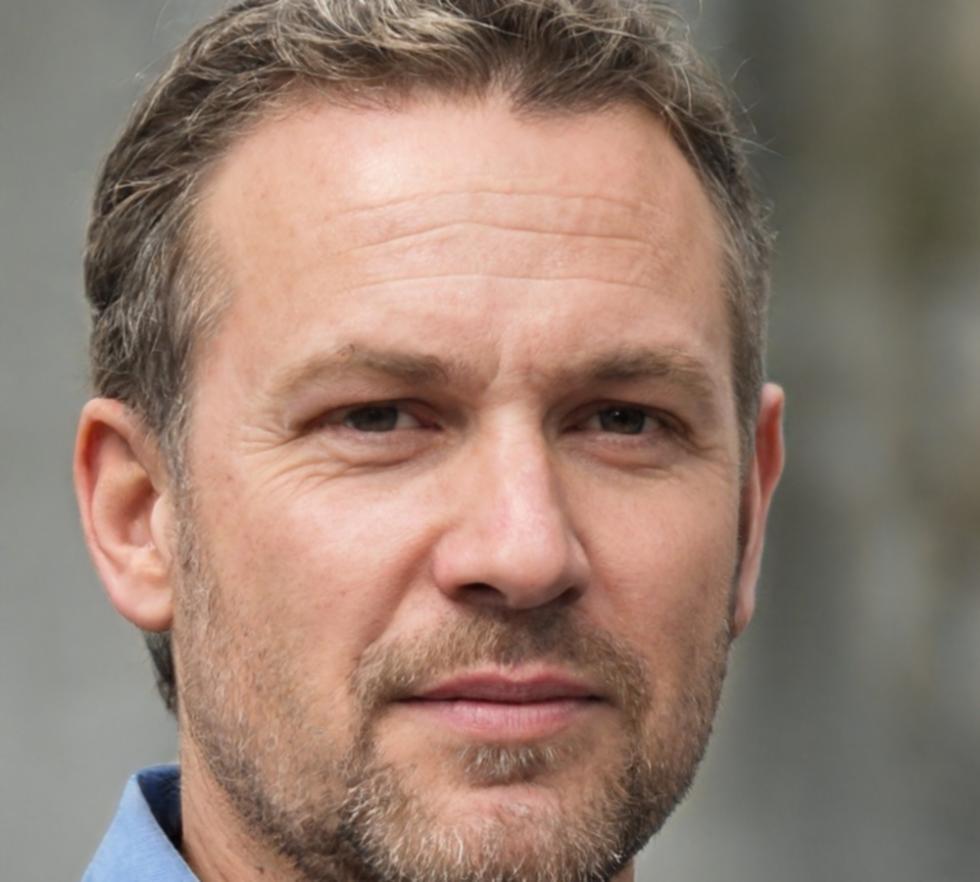
Portrait of Vikram Sundaram, program instructor and playwright

Vikram Sundaram

Lead Instructor & Playwright

I've been teaching playwriting for eleven years now. Started after my third play got produced and I realized I enjoyed helping other writers as much as writing myself. Maybe more, on difficult days.

What Most People Get Wrong

New writers think they need inspiration to strike. They wait for the perfect idea or the right mood. That's not how professional playwrights work. We write when it's inconvenient. We write when we don't feel like it. The craft comes from showing up consistently, not from magical moments of creativity.

Structure gets dismissed as something that kills spontaneity. But good structure gives you freedom. When you understand three-act progression or character arc fundamentals, you can break those rules intentionally. Without that foundation, you're just hoping things work out.

The Reality Check

Most students don't become professional playwrights. That's okay. Some use the skills in corporate training. Others write community theatre pieces. A few discover they prefer directing or producing. The writing practice still matters because it teaches clear thinking and structured communication.

What Changed My Approach

Early on, I taught like I was preparing everyone for Broadway. Pushed too hard on polish and perfection. Lost a lot of talented writers who got discouraged. Now I focus on completion first. Finish the play. It won't be perfect. That's expected. But a finished draft teaches you more than an eternally revised first act.

The feedback sessions shifted too. Used to run them like theatre critiques—intense, detailed, exhausting. Now they're more conversational. What worked? What confused you? Where did you lose interest? Simple questions reveal more than complex dramaturgical analysis.

Success Means Different Things

Some former students have plays running regularly. Others write occasionally while working full-time elsewhere. Both outcomes are fine. What matters is whether they're still writing. Whether they found something meaningful in the process. Theatre needs all kinds of voices, not just people who can dedicate every waking hour to it.

The Malaysian theatre scene is small. That's actually an advantage for emerging playwrights. You can get your work seen without competing against thousands of others. Local theatres are often looking for new scripts. The barrier isn't access—it's having a finished, producible play to submit.


Interested in the Program?

We run three sessions annually. Class sizes stay small intentionally. Enrollment opens for the next session in about six months. If you want more information about structure, curriculum, or what makes this approach different, check out the program details.

View Learning Program

Data Processing Notice

We utilize browser storage to remember your settings and improve site functionality. You can manage which data categories we process below.

Core Operations

Experience Enhancement

Performance Monitoring